I am not a critic; I am just a regular movie fan who keeps a small shelf of comfort films. In 2026, a decade after La La Land, I rewatched the unofficial Ryan Gosling and Emma Stone love trilogy in one weekend. The three movies are Crazy, Stupid, Love (2011), Gangster Squad (2013), and La La Land (2016). They share no plot, no director, and no universe. What they share is a romantic voltage between two performers who seem to tune into the same private frequency. Their chemistry works like a tuning fork struck against the same note: even when the movie around them is noisy, I can hear the hum. 🎬
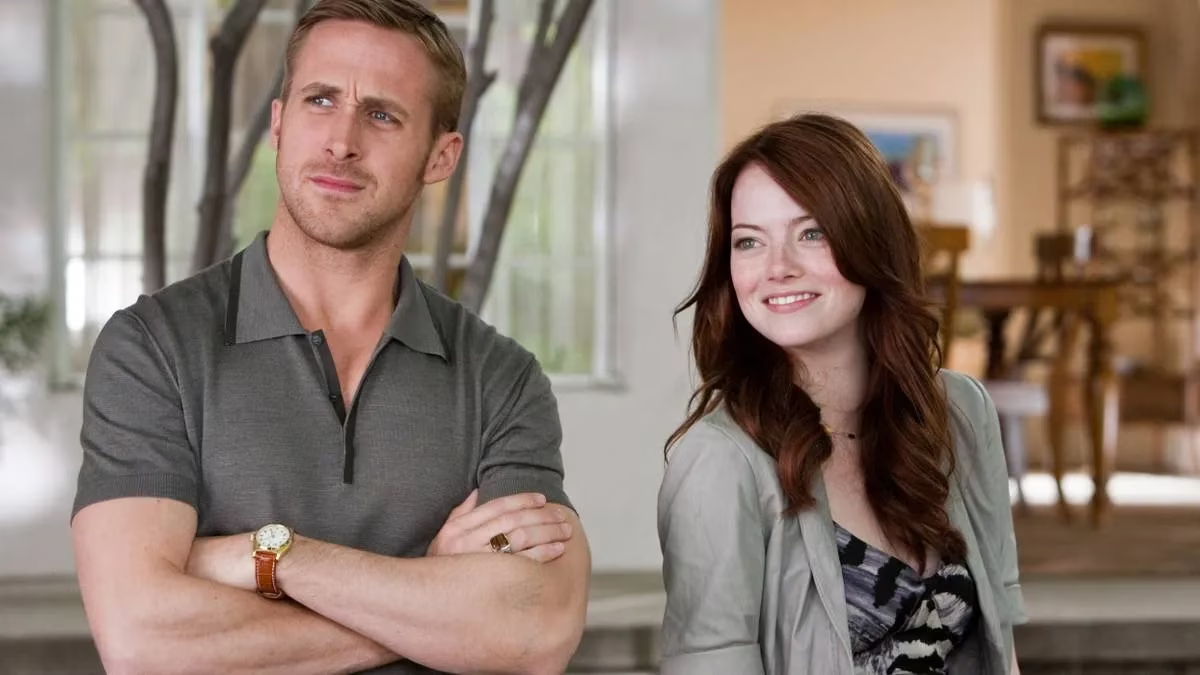
The trilogy at a glance
| Film | Year | The Romantic Dynamic | My 2026 Take |
|---|---|---|---|
| Crazy, Stupid, Love | 2011 | Jacob's slick playboy meets Hannah's grounded warmth | The lightest entry, but it still sparkles ✨ |
| Gangster Squad | 2013 | Jerry and Grace fall in love inside a dangerous takedown | A weak film with a strong duo |
| La La Land | 2016 | Seb and Mia chase dreams and lose each other | The emotional summit 🌙 |
Crazy, Stupid, Love: the sparkling opening act
When I revisit Crazy, Stupid, Love, I am always surprised by how easily Gosling and Stone steal focus inside an ensemble. The movie centers on Steve Carell's Cal Weaver, a man trying to rebuild his life after divorce, and Gosling's Jacob is the habitual playboy who offers romantic advice. Then Stone's Hannah arrives, more down-to-earth and emotionally direct, and Jacob's polished routine starts to crack. The opposites are not just written on the page; they are performed with real comic timing and a softness that sneaks up on me. By the end, Hannah has changed Jacob's perspective on love, and I believe it because the actors make the shift feel earned rather than convenient. 🍷
What I enjoy most in 2026 is how the film balances comedy and drama without letting either side collapse. The plot twist is still funny, the ensemble is still charming, and Gosling and Stone's storyline carries as much narrative weight as Cal's divorce. It is a great start to their fictional romance because it shows me the duo at their most playful.
Gangster Squad: the darker middle chapter
Gangster Squad is the odd one out. This crime thriller is much less romantic than the other two films, and I would not call it a great movie. Yet the relationship between Gosling's Jerry Wooters and Stone's Grace Faraday has a dangerous glow that holds my attention. Falling in love during a dangerous undercover operation gives their scenes tension, even when the characters themselves are mostly shallow. The film around them may be lackluster, but the pairing is not the problem. In fact, several negative reviews at the time noted Gosling and Stone as a positive aspect, and I understand why. Stone in particular does a lot with the little she is given, and the two actors present a convincing romantic connection against a backdrop of crime. 🔫
La La Land: the dream that costs something
Then there is La La Land, Damien Chazelle's musical about struggling artists in Los Angeles. Gosling's Sebastian is a musician, Stone's Mia is an actress, and both are trying to pursue dreams that keep moving just out of reach. The film has rich visuals, a compelling screenplay, and energetic musical numbers, but its greatest asset is the palpable chemistry between its leads. Their performances feel like career-best work, and the movie's critical praise makes sense to me every time I watch it. 🎹
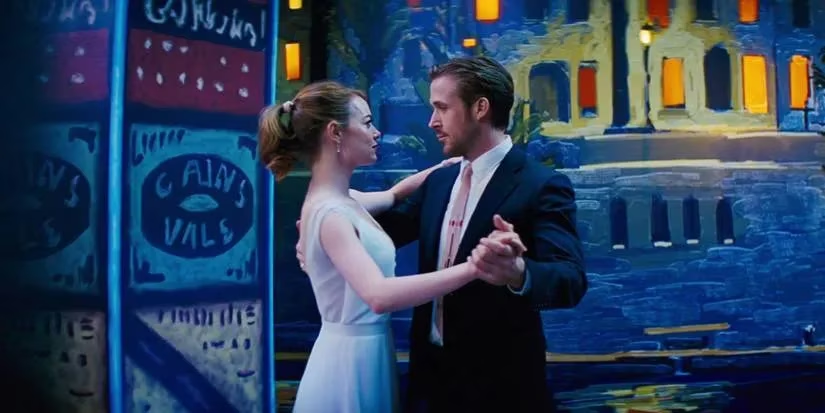
What makes La La Land different from the earlier films is its ending. Crazy, Stupid, Love and Gangster Squad put obstacles in the way of romance, but both couples end up together. La La Land does not take that route. Sebastian and Mia face opportunities and setbacks in their careers, and they realize they must sacrifice their relationship to pursue their passions. The split feels natural and realistic, which makes the heartbreaking conclusion easier to accept. It subverts my expectations, especially because I remember Gosling and Stone's previous on-screen relationships working things out. Whether the ending is happy or sad depends on the viewer, but it supports the film's core themes, and it is highly affecting. La La Land's final sequence lands like a door closing softly in another room: not a slam, but a sound that stays with me. 🚪
Why I still return in 2026
A decade later, I still find this unofficial trilogy exciting because each film gives me a different version of the same romantic idea. Crazy, Stupid, Love is about compromise, Gangster Squad is about danger, and La La Land is about sacrifice. The trilogy is like a three-card trick where the final card is deliberately missing: each movie shows me a new face of the same duo, but never the same ending. That variety is why I keep coming back. 💫
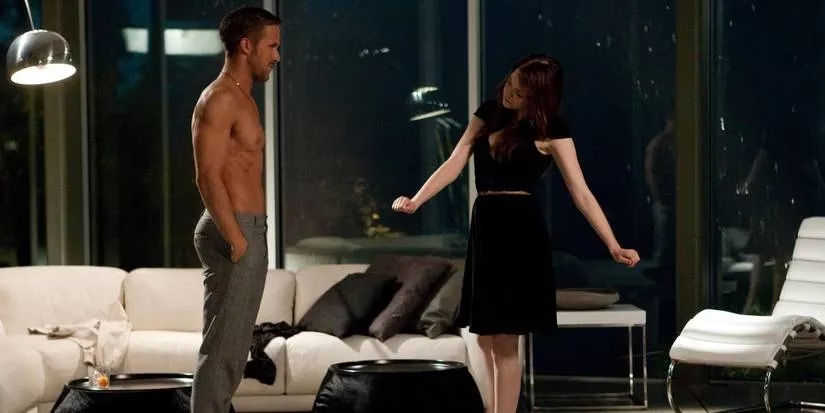
Crazy, Stupid, Love and La La Land have received considerably more praise than Gangster Squad, and I agree with that ranking. Still, even the weakest entry benefits from Gosling and Stone's partnership. The duo's combined talent and shared chemistry make it difficult for me to imagine any other actors in their place. Stone's Academy Award win for La La Land remains a high point, and Gosling's nominated performance reminds me how much he can do with quiet charm and sudden vulnerability. As of my 2026 rewatch, the pair has not made a fourth film together, and that absence only makes the trilogy feel more precious. If they ever share the screen again, I will be there like the regular fan I am: curious, hopeful, and ready to hear that same tuning-fork hum. 🎥",
"language": "en