The world of cinema has seen many genres come and go, but few have left as indelible a mark as the gangster film. While modern directors like Martin Scorsese and Ridley Scott continue to produce compelling crime dramas, there is a unanimous sentiment among cinephiles that the classics crafted before the 1980s possess a certain brilliance and raw authenticity that remains unmatched. These films didn't just tell stories of crime; they delved into the human psyche, explored societal structures, and created iconic characters that have become part of our cultural fabric. From the gritty streets of Prohibition-era America to the shadowy underworlds of post-war Japan, these masterpieces defined a genre and set a standard that continues to inspire awe and analysis.
The Roaring Twenties: The Evolution of a Criminal
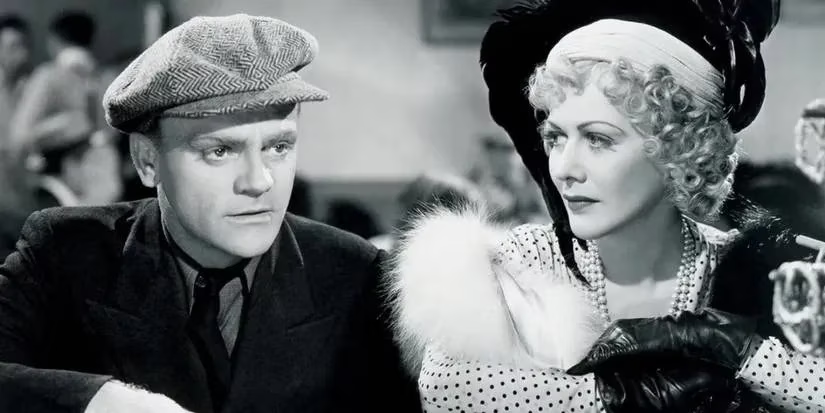
James Cagney stands as a colossal figure in the pantheon of gangster cinema. His portrayal of Eddie Bartlett in The Roaring Twenties is a masterclass in character development. Directed by Raoul Walsh, the film follows three soldiers—Eddie, George, and Lloyd—as their paths diverge after World War I. Eddie's descent from a cab driver into the criminal underworld is not just a tale of crime; it's a poignant exploration of ambition, friendship, and the corrosive nature of power. The evolving dynamic between Eddie and George, played by the legendary Humphrey Bogart, grounds the narrative in a relatable human drama, showcasing how time and circumstance can fracture even the strongest bonds. The film's strength lies in its ability to make viewers empathize with characters navigating a morally ambiguous landscape.
Mean Streets: Scorsese's Gritty Debut
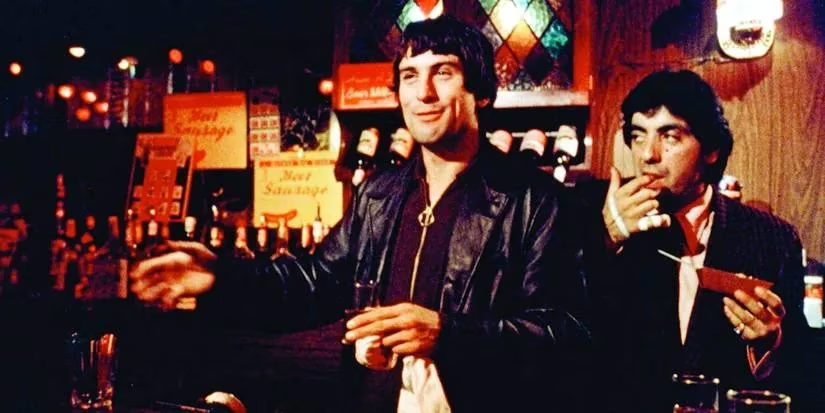
Long before Goodfellas and The Irishman, a young Martin Scorsese announced his arrival with Mean Streets. This film, starring Harvey Keitel and Robert De Niro, is often considered his true breakout. It plunges viewers into the chaotic, perilous lives of low-level gangsters in New York's Little Italy. Charlie Cappa works for the mafia, while his friend Johnny Boy is a reckless gambler perpetually in debt. The film's genius is its unflinching portrayal of street-level survival, where wit and loyalty are the only currencies that matter. Its raw energy and authentic dialogue created a blueprint for modern crime dramas. The film's cultural impact was cemented when it was added to the National Film Registry in 1997, preserving its status as a cornerstone of American independent cinema.
M: A German Masterpiece of Moral Ambiguity
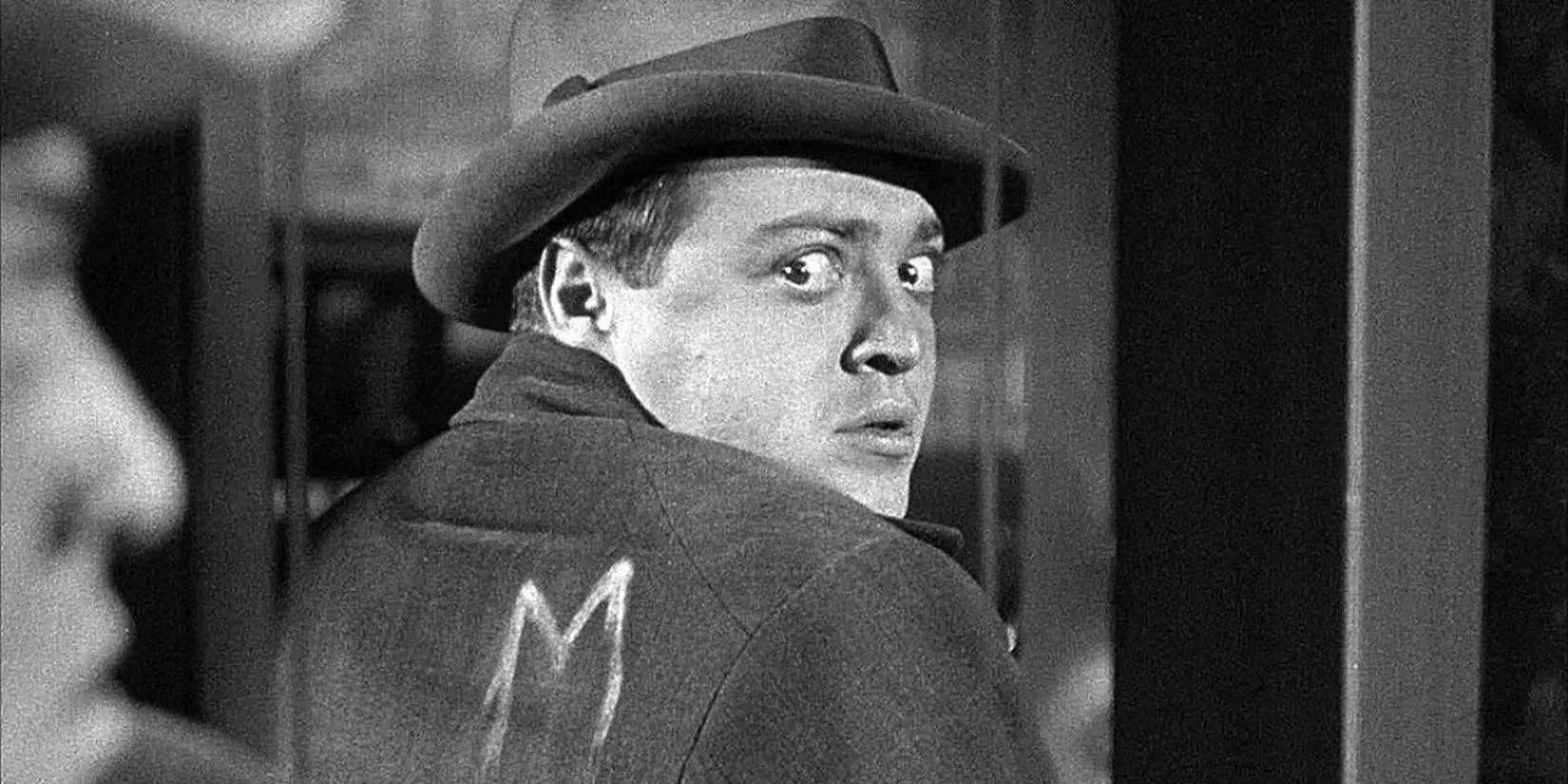
Fritz Lang's M is a seminal work that often flies under the radar in discussions of gangster films. Released in 1931, this German mystery-thriller centers on a city terrorized by a child murderer, Hans Beckert. The police crackdown disrupts the operations of the city's criminal organizations, leading them to hunt the killer themselves to restore their illicit business. This creates a fascinating moral inversion: the gangsters become the protagonists in a vigilante quest. Lang crafts a tense, thought-provoking narrative that questions justice, morality, and the nature of evil. Peter Lorre's haunting performance as Beckert is unforgettable, making M not just a gangster film, but a profound psychological study that remains deeply relevant.
The Public Enemy: The Birth of a Sound Era Icon
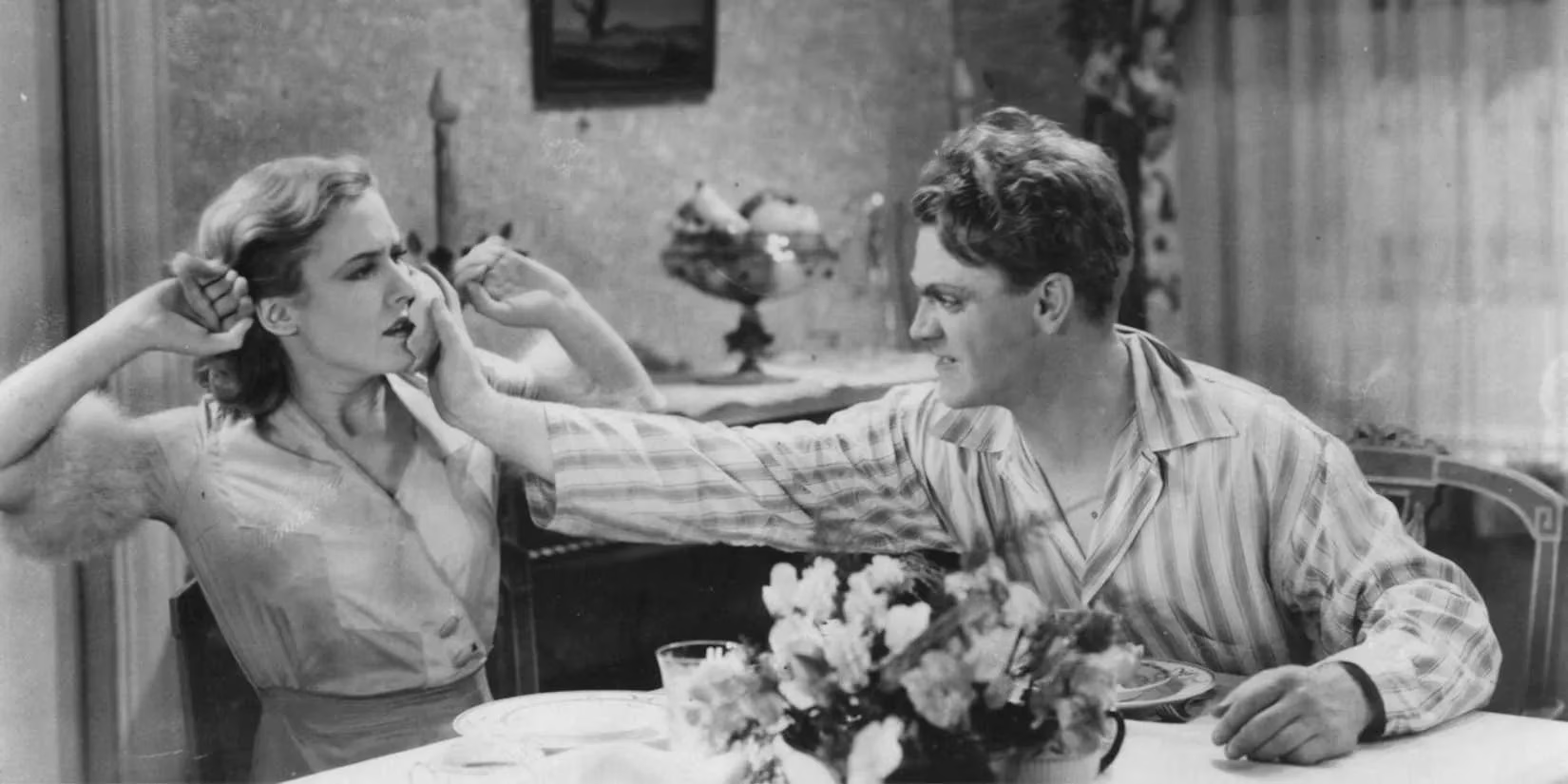
If one film cemented the gangster genre in the sound era, it was The Public Enemy. This 1931 pre-code film, directed by William A. Wellman, launched James Cagney into superstardom. He plays Tom Powers, whose rapid rise and brutal fall in the Prohibition-era underworld became the archetype for countless mob stories to follow. The film's lack of restrictive production codes allowed for a shocking realism and violence that was groundbreaking. Its infamous final scene, where Tom's body is delivered to his mother, is one of the most iconic and brutal moments in film history. The film's enduring power is evidenced by its perfect 100% score on Rotten Tomatoes, a testament to its flawless execution and lasting influence.
Get Carter: Britain's Hard-Boiled Revenge Tale
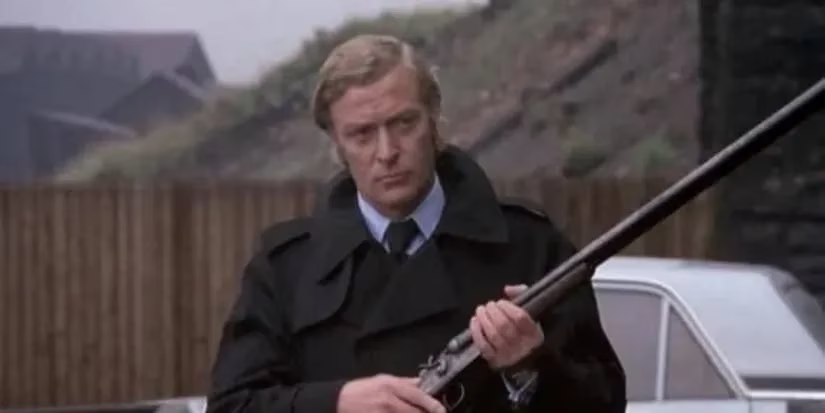
Often overshadowed by its American counterparts, Get Carter is the British gangster film at its most potent. Released in 1971, it features Michael Caine in a career-defining role as Jack Carter, a London enforcer who returns to his hometown for his brother's funeral. What follows is a cold, methodical, and brutally efficient quest for vengeance. Directed by Mike Hodges, the film strips away glamour, presenting a bleak, nihilistic vision of criminal life. Its stark realism and Caine's chilling performance make it a masterpiece. The failed 2000 remake only serves to highlight the original's unparalleled quality and its status as a gritty, uncompromising classic.
Drunken Angel: Kurosawa's Yakuza Melodrama
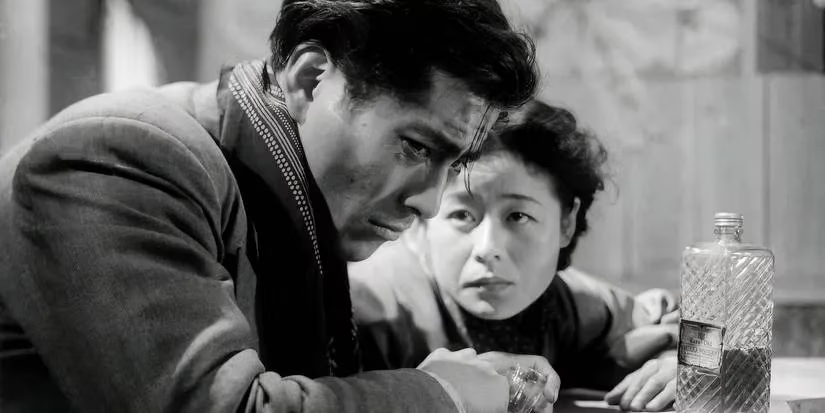
Akira Kurosawa, renowned for his samurai epics, also made a significant contribution to the gangster genre with Drunken Angel. This 1948 film was groundbreaking as the first major Japanese movie to depict the yakuza in the post-World War II era. The story focuses on the fraught relationship between a dissipated doctor and his tubercular yakuza patient, played by the iconic Toshirō Mifune. Kurosawa uses this dynamic to explore themes of illness, corruption, and redemption in a devastated society. The film, the first of many collaborations between Kurosawa and Mifune, was praised for its humanistic approach, refusing to outright condemn its criminal protagonist and drawing comparisons to Italian neorealist works like Bicycle Thieves.
White Heat: Cagney's Psychopathic Swan Song
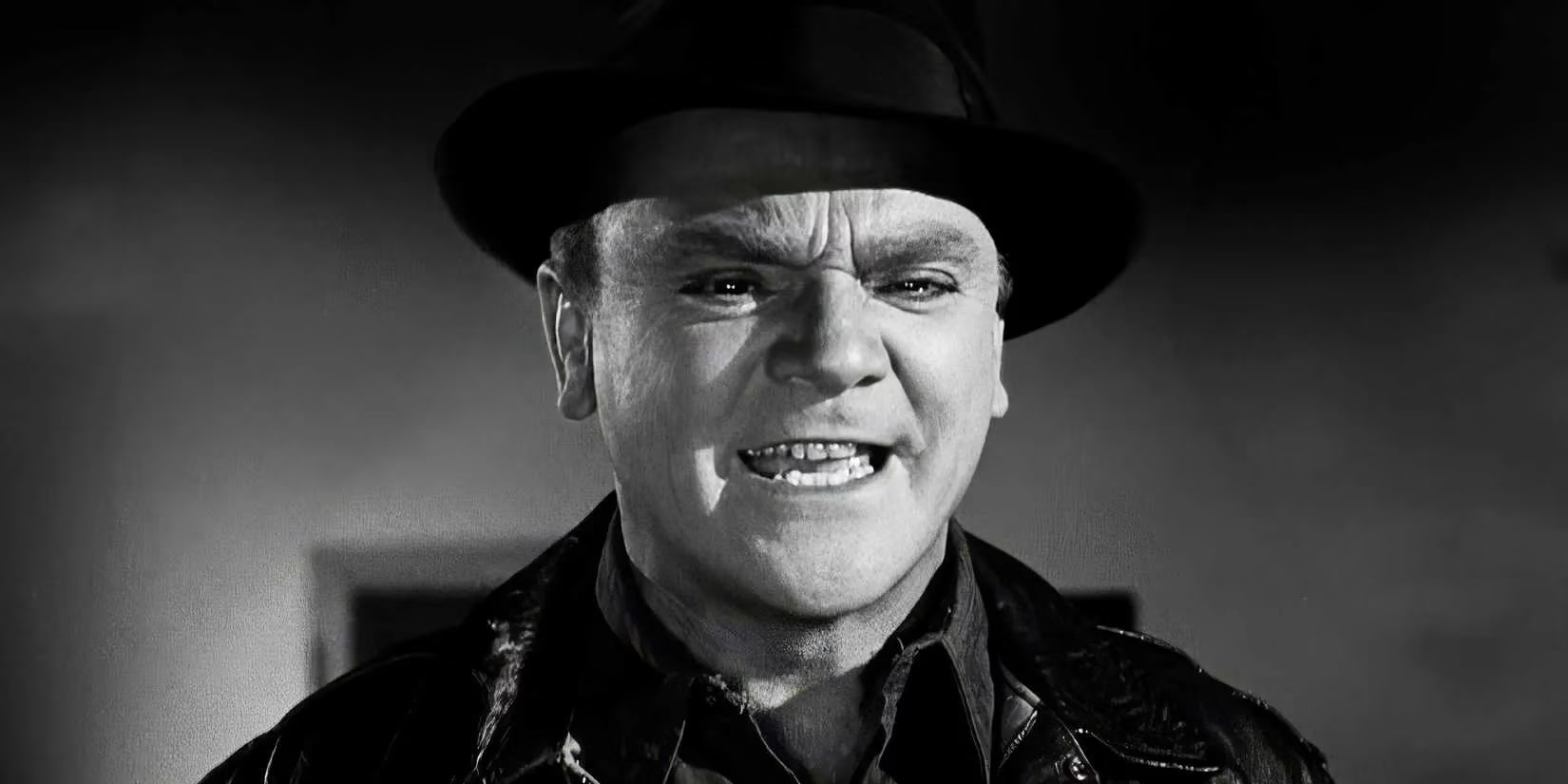
James Cagney returned to the genre that made him famous with a vengeance in White Heat. Playing Cody Jarrett, a ruthless gang leader with a severe Oedipal complex, Cagney delivered one of his most unhinged and memorable performances. Directed by Raoul Walsh, the film is a frenetic exploration of psychosis and violence. Cody's dependency on his mother contrasts violently with his brutal leadership of his gang. The film culminates in one of cinema's most explosive and quoted finales, with Cody screaming "Made it, ma! Top of the world!" as he blows himself up. The film's impact was recognized with an Oscar nomination for its screenplay, and Cody Jarrett was named one of the top movie villains of all time by the American Film Institute.
On the Waterfront: A Gangster Film in Union Clothing
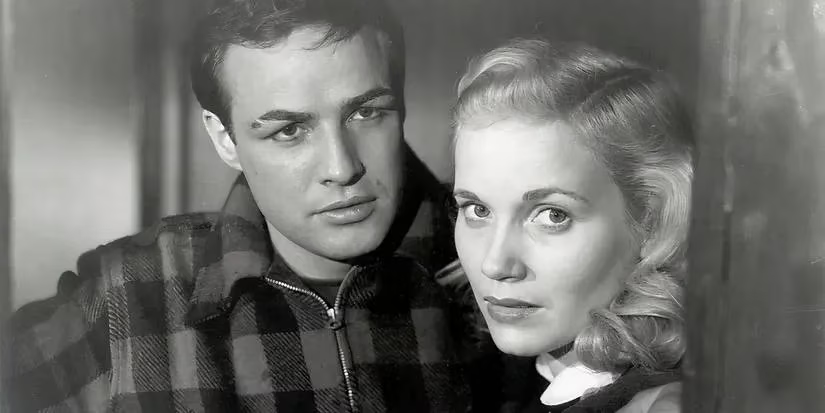
While not a traditional mob story, On the Waterfront is unequivocally a gangster film. Marlon Brando, in an Oscar-winning performance, plays Terry Malloy, a former boxer whose life is controlled by a corrupt union boss, Johnny Friendly. The film masterfully depicts how organized crime infiltrates and poisons legitimate institutions like labor unions. Terry's journey from complicit stooge to courageous whistleblower is a powerful narrative of personal redemption against a backdrop of systemic corruption. The film was a critical juggernaut, winning eight Academy Awards including Best Picture, Best Director for Elia Kazan, and Best Actor for Brando, proving that the most effective gangster stories are often those about the corruption of ordinary life.
Angels with Dirty Faces: Gangsters and Redemption
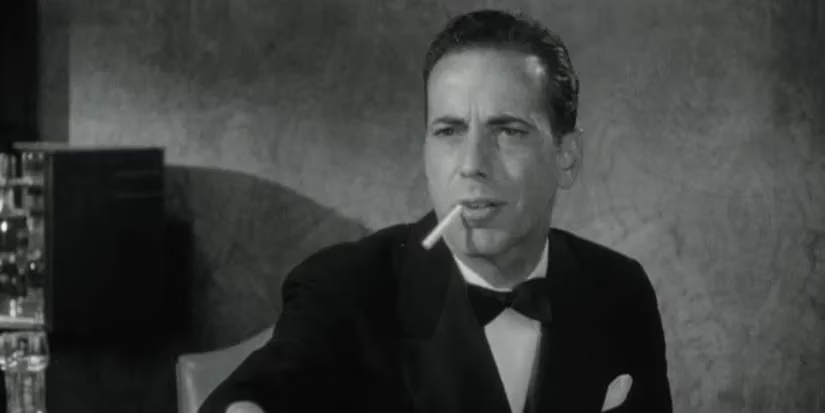
Angels with Dirty Faces is a quintessential classic that pits two childhood friends against each other: one a priest (Pat O'Brien) and the other a notorious gangster, Rocky Sullivan (James Cagney). Directed by Michael Curtiz, the film delves into themes of mentorship, legacy, and redemption. As Father Connolly tries to steer local youth away from crime, Rocky returns from prison, pursued by a crooked lawyer played by Humphrey Bogart. The film's climax, involving Rocky's final choice, is a powerful meditation on sacrifice and influence. Earning three Oscar nominations and boasting a perfect 100% Rotten Tomatoes score, the film remains a touchstone for stories about the battle for a community's soul.
The Godfather: The Pinnacle of the Genre
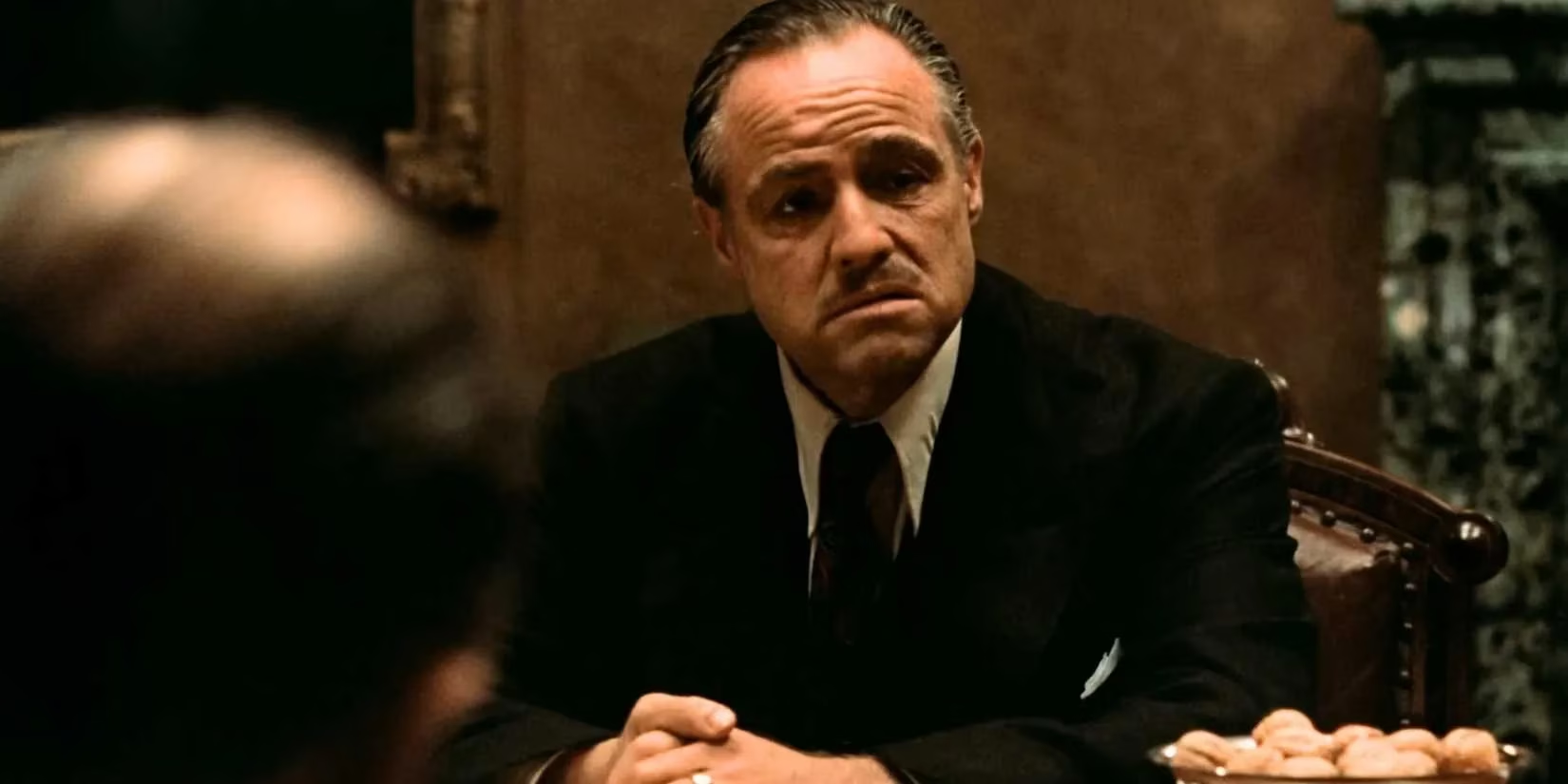
To discuss classic gangster cinema is to inevitably arrive at The Godfather. Francis Ford Coppola's 1972 epic is not just a film about organized crime; it is a sweeping family saga, a meditation on power, and a landmark of American art. Marlon Brando's Vito Corleone and Al Pacino's Michael Corleone represent the old world and the brutal new order. The film's operatic scale, profound character studies, and flawless execution redefined what a gangster movie could be. Its cultural and critical reception was unprecedented—winning three Oscars, including Best Picture, and being preserved in the National Film Registry. The American Film Institute ranks it among the greatest films ever made. It stands as the definitive masterpiece, a film that transcends its genre to become a cornerstone of cinematic history.
In conclusion, these classic gangster films offer more than tales of crime and punishment. They are intricate studies of ambition, loyalty, corruption, and the American (and global) dream gone awry. Their characters, from Cagney's volatile gangsters to Brando's patriarchal don, are etched into our collective consciousness. While modern filmmakers continue to explore these themes, the foundational works from the early and mid-20th century possess a raw, innovative spirit and narrative depth that continues to set the gold standard. They remind viewers that the most compelling stories often emerge from the shadows.