In the annals of contemporary cinema, few events have sent shockwaves through the horror and thriller genres quite like the monumental release of Zach Cregger's Weapons. Since its debut in August 2025, this cinematic juggernaut has not only shattered box office records, amassing a staggering $154 million globally, but has also been universally hailed by critics as one of the most masterfully terrifying and psychologically profound films of the decade. The story, which plunges viewers into the heart of a suburban community ripped apart when an entire classroom of children, save one, mysteriously vanishes into the night at 2:17 AM, has left audiences breathless and clamoring for more. Yet, for those whose nerves are still frayed from the relentless tension of Weapons, there exists a seminal, equally harrowing blueprint from over a decade prior: Denis Villeneuve's 2013 masterpiece, Prisoners. The connection between these two titans of tension is not merely thematic coincidence; it is a direct line of inspired cinematic DNA, a torch passed from one visionary director to another in the exploration of parental agony and communal collapse.
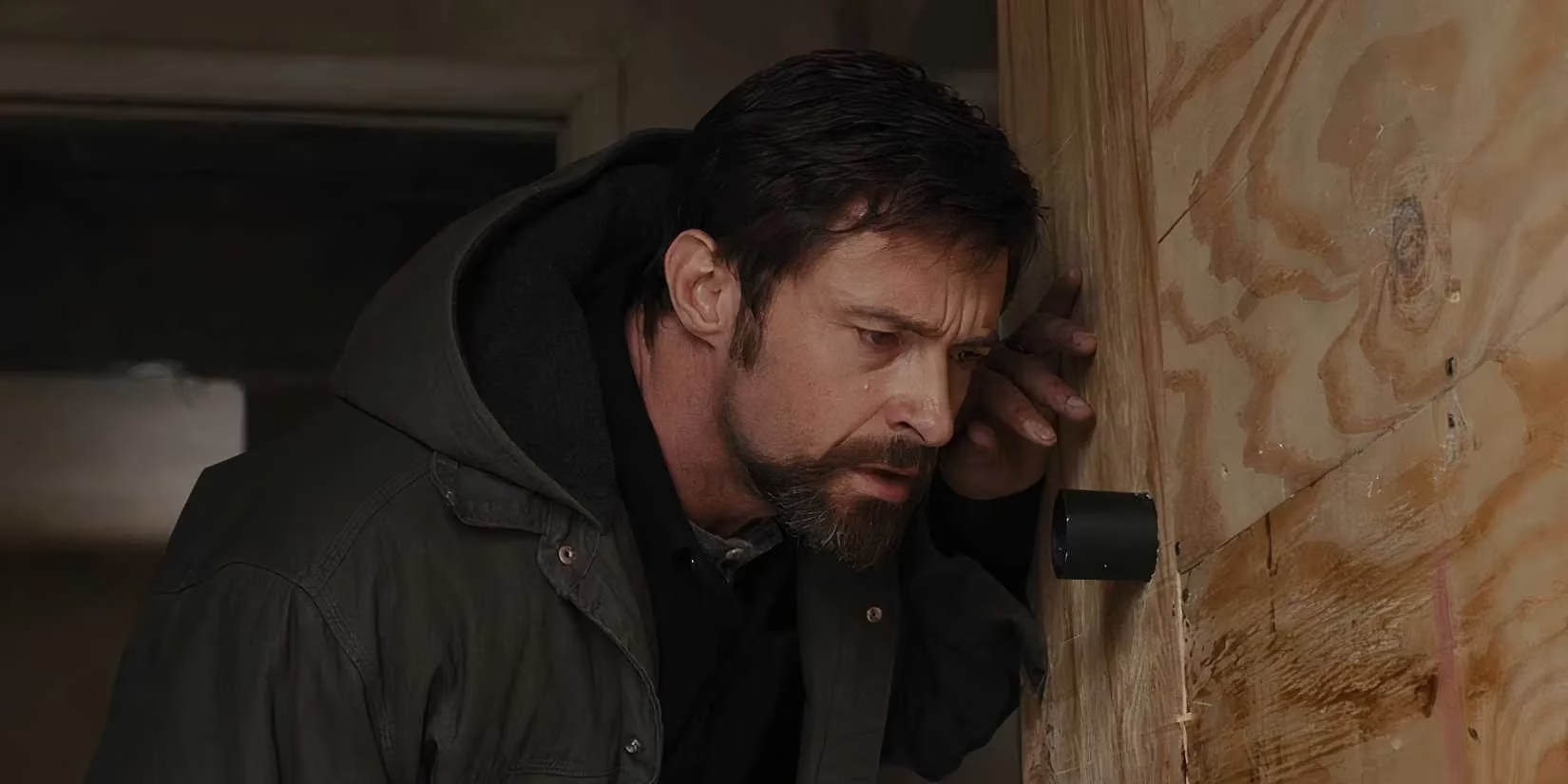
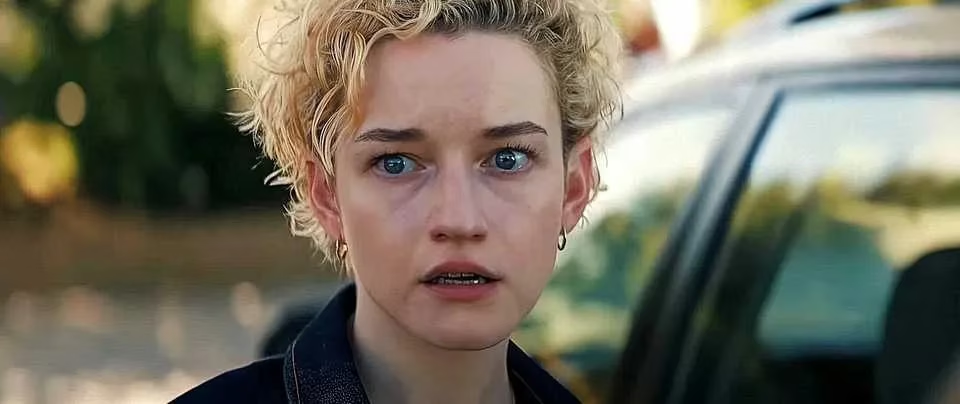
At its core, the narrative skeleton shared by both films is brutally simple yet endlessly compelling: the disappearance of children and the subsequent descent into madness of those left behind. Prisoners follows the gut-wrenching odyssey of Keller Dover (a career-defining performance by Hugh Jackman), a father who transforms from a family man into a force of primal vengeance when his daughter and her friend vanish on Thanksgiving. Similarly, Weapons thrusts us into the desperate search led by Julia Garner's Justine and Josh Brolin's Archer, a man consumed by guilt over failing to protect his own son. The parallel is so potent that Cregger himself has openly declared his profound debt to Villeneuve's work. In a revelatory interview, Cregger emphatically stated, "Prisoners is all over this movie." This isn't just homage; it's a full-throated acknowledgment of inspiration, where the archetype of the grieving, relentless patriarch pioneered by Jackman finds a powerful echo in Brolin's portrayal of Archer.
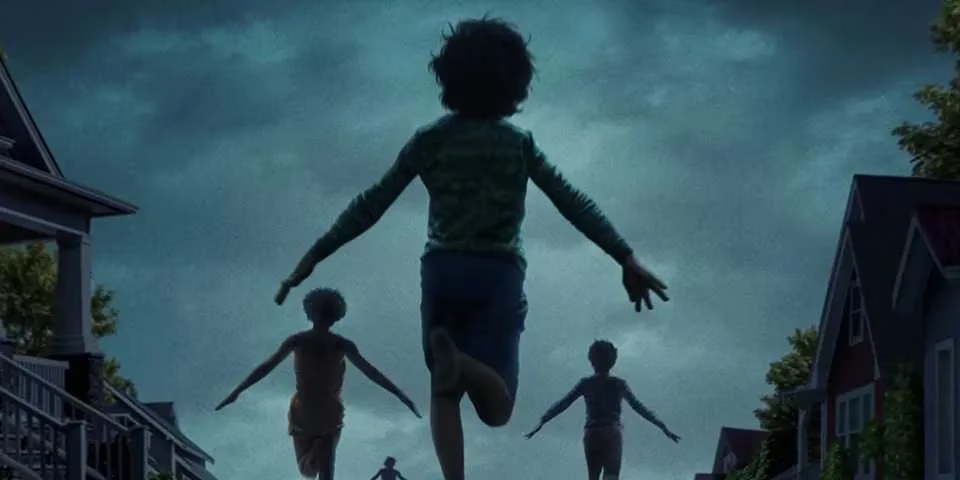
The similarities extend far beyond plot, seeping into the very atmosphere and visual soul of the films. Both Prisoners and Weapons are meticulous dissections of suburbia, those picturesque neighborhoods where tragedy strikes with a violence that feels all the more horrific for its contrast with manicured lawns and quiet streets. These communities don't just suffer; they fracture, rot from within under the weight of suspicion, guilt, and collective despair. Characters are not merely saddened; they are consumed, their anguish metastasizing into rage directed at neighbors, loved ones, and themselves. While Weapons injects moments of surprising, bone-dry humor, its overarching mood—like that of Prisoners—is one of profound, almost suffocating bleakness, where hope is a distant, flickering light nearly extinguished by shadows.
Perhaps the most direct and visually stunning link is in their cinematography. Cregger has waxed poetic about the aesthetic of Prisoners, describing it as "so gorgeous" and specifically praising its "washed-out, somber, cloudy, rainy" palette. He admitted to a burning desire to "really wanted to evoke everything visually that the movie evoked." And evoke it he did. The look of Weapons—with its muted colors, oppressive skies, and scenes drenched in a cold, haunting light—is a direct descendant of Roger Deakins' legendary work on Villeneuve's film. It’s a visual language that speaks of decay, moral ambiguity, and a world stripped of warmth.
Let's break down the eerie parallels and monumental achievements of these two films:
| Cinematic Element | Prisoners (2013) | Weapons (2025) |
|---|---|---|
| Core Catalyst | Disappearance of two girls on Thanksgiving. | Mass disappearance of children from a class at 2:17 AM. |
| Paternal Fury | Hugh Jackman's Keller, a man abandoning morality. | Josh Brolin's Archer, guilt-ridden and determined. |
| Investigator | Jake Gyllenhaal's dogged Detective Loki. | Julia Garner's Justine, a teacher thrust into the mystery. |
| Setting | A crumbling, rain-soaked suburban American town. | An idyllic suburb plunged into surreal, communal nightmare. |
| Visual Tone | Gloomy, desaturated, perpetually overcast and wet. | Washed-out, somber, leveraging similar bleak atmospherics. |
| Thematic Focus | The limits of justice, vigilanteism, and faith. | Guilt, collective trauma, and the fragility of community. |
| Critical Legacy | Underrated gem, now considered a modern thriller classic. | Instant horror classic, hailed as a genre-defining event. |
| Box Office | Strong performer, grew in stature over time. | Global blockbuster phenomenon ($154M+). |
The legacy is clear. Weapons stands not as a mere copy, but as a spectacular evolution—a film that absorbed the lessons of Prisoners and filtered them through a distinct, modern horror lens. Cregger took the foundation of a relentless thriller and built upon it a story that is equally thrilling, surprising, and viscerally frightening. For the legions of fans left stunned by Weapons, the path forward is brilliantly lit: a pilgrimage back to Prisoners is not just recommended, it is essential. To experience Villeneuve's film is to witness the birth of the anguish that Cregger so masterfully amplified. It is a chance to see where the journey of suburban despair began—a journey that, over a decade later, continues to captivate, terrify, and remind us of the terrifying fragility of the world we build for our children. In 2026, the conversation about great cinematic duologies must include this pair: two sides of the same dark, brilliant coin, forever linked in their exploration of the darkness that waits just beyond the porch light. 🎬🔍