I came to MobLand in 2026 with a strange sense of déjà vu. The Paramount+ crime drama had already built a reputation as a sharp, nasty, stylish London gangster story, and I had heard the praise for Tom Hardy, Helen Mirren, and Pierce Brosnan. But the moment Hardy’s Harry Da Souza walked into a room with that tired, dangerous patience, my brain went somewhere else entirely: to Legend, the 2015 film where Hardy played both Ronnie and Reggie Kray. Ten years separate the movie and the series, yet they feel like two dark rooms in the same house.
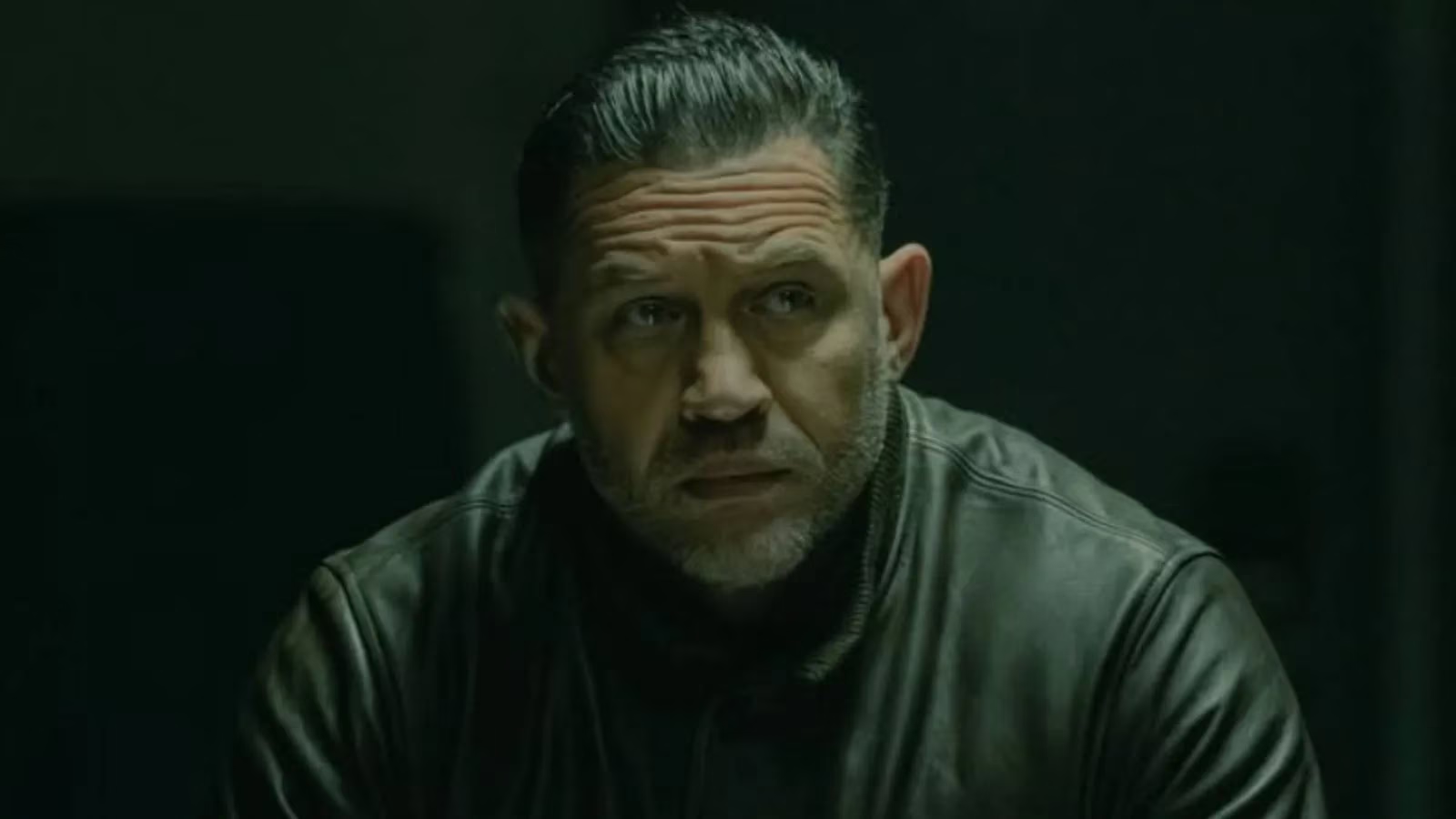
MobLand follows Harry, a fixer for the Harrigan crime family in London. The Harrigans are not polite about expansion. They want more, and they are willing to kill anyone who gets in the way. That description could almost be a logline for Legend. In the 2015 film, Reggie is already working with the Firm, while Ronnie is in a psychiatric hospital because of schizophrenia. Once Ronnie is released, the brothers set out to become the biggest players in London’s underground. They fight rival gangs, damage the people around them, and turn their own lives into a performance of power. Legend does not flinch from the violence, and neither does MobLand.
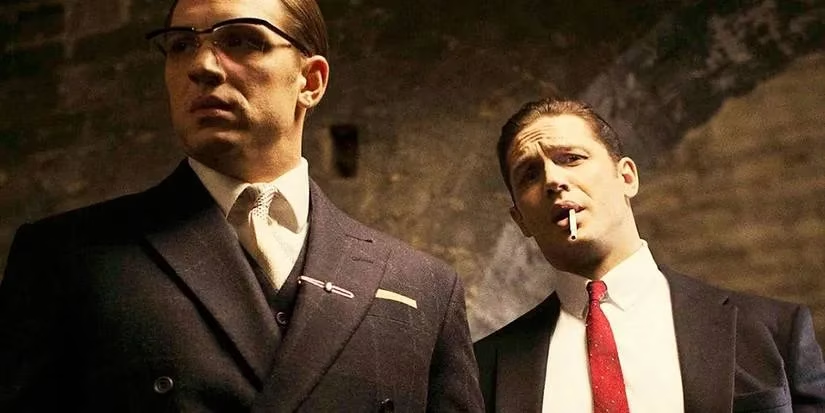
What fascinates me most, watching in 2026, is how clearly MobLand seems to inherit Legend’s DNA. MobLand is fictional and set in the present day. Legend is a biopic set in the 1960s. On paper, they should not feel related. On screen, they do. Both stories understand that London gangsters are not just businessmen with guns; they are celebrities with reputations to protect. The Kray twins had a rivalry with the Richardson Gang, which ruled South London while the Krays held influence in North London and especially the East End. That turf war became notorious. MobLand gives me a similar feeling with the Harrigans and the Stevenson crime family. The names are different, but the music is the same.
I like that MobLand does not pretend to be a documentary. It takes the texture of real London crime and turns it into television. Stories of gang wars, dramatic deaths, and arrests have always made great drama. Creating fictional versions of those events makes sense. The Kray twins were so important to London’s criminal underground in the 1960s that they almost had to be an influence. Their celebrity status turned them into legends, and MobLand emulates that kind of status through the Harrigans. When I watch Conrad Harrigan, played by Pierce Brosnan, I see a man who understands that fear and reputation are currencies. When I watch Harry, I see a man who has to balance the chaos around him with the ruthlessness of his business.
Hardy is phenomenal in the dual role in Legend. That performance is not a gimmick. Ronnie and Reggie feel like different people, even when they share the same face. Ronnie is volatile, wounded, and frightening. Reggie is smoother, more controlled, and still capable of terrible things. In MobLand, Hardy brings a similar self-assuredness to Harry. Harry is not a copy of either Kray brother, but he has their ability to make difficult decisions without letting the audience see the cost until later. That is Hardy’s specialty. He has played gangsters and hardened, violent characters many times: in Taboo, Peaky Blinders, Capone, The Drop, Lawless, and RocknRolla. He is very good at playing tough men who have to make choices on their own behalf or on someone else’s orders. The skill comes through clearly in both MobLand and Legend.
Here is the comparison that keeps rolling around in my head:
| Element | Legend (2015) | MobLand (2025–2026) |
|---|---|---|
| Setting | 1960s London | Present-day London |
| Core figures | Ronnie and Reggie Kray | Harry Da Souza and the Harrigans |
| Criminal world | The Firm | The Harrigan crime family |
| Rivalry | Krays vs. Richardson Gang | Harrigans vs. Stevensons |
| Tone | Brutal, stylish, darkly funny | Brutal, stylish, darkly funny |
| Hardy’s role | Dual role as the Kray twins | Fixer Harry Da Souza |
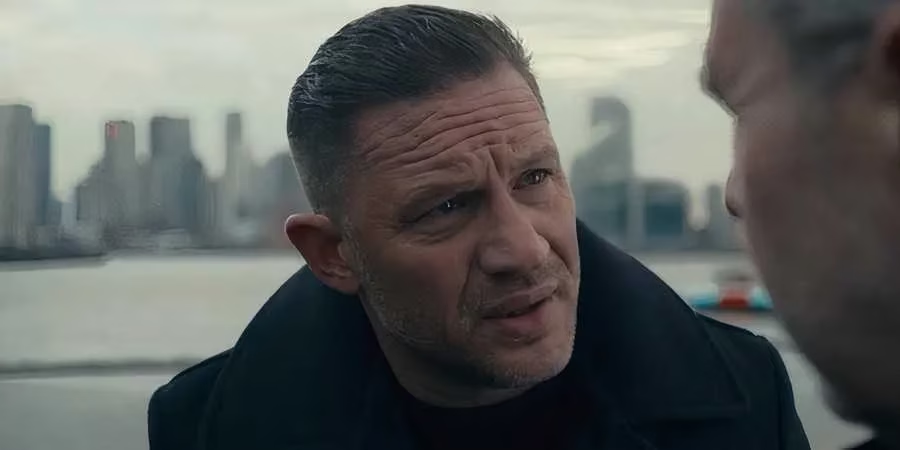
The table makes it look tidy, but the experience is not tidy. Legend is a film about two brothers who cannot escape each other. MobLand is a series about a family that cannot escape its own appetite. Both stories are interested in what violence does to relationships. In Legend, Reggie’s marriage and Ronnie’s mental health are part of the collateral damage. In MobLand, Harry’s loyalty and the Harrigans’ ambition create a similar pressure. The gangsters in both stories are always looking for a way to expand, and someone always pays for it.
I also appreciate the pacing. Legend keeps me enthralled throughout its runtime with the same intensity that MobLand brings to its episodes. The series has already shown that it can balance humor with gritty violence. That balance is hard to pull off. If a gangster story is only grim, it becomes exhausting. If it is only funny, it loses its teeth. MobLand, like Legend, understands that the best crime stories let the audience laugh before they flinch.
In 2026, the first season of MobLand is no longer a weekly mystery for me; it is a complete, bingeable text. I can see why the early reviews were positive and why the premiere broke streaming records for Paramount+. The show has big-name stars, but it also has a clear sense of what it wants to be. It is a London gangster story with a modern pulse and an old-school shadow. That shadow is Legend.
Would I recommend MobLand to someone who has never seen Legend? Absolutely. But I would also tell them to watch Legend afterward. The two works do not cancel each other out. They rhyme. One is a 2015 biopic about the Kray twins, and the other is a 2025 series about a fixer in a fictional crime family. Ten years apart, Tom Hardy is still playing men who move through London’s underworld with a mix of charm, menace, and exhaustion. In 2026, that is still a story I want to watch. 🎬🔥