The Godfather has a mafia math problem, and it is a delicious one. On paper, New York's criminal universe is a five-family committee: Corleone, Barzini, Tattaglia, Cuneo, and Stracci. Each family owns a seat on the Commission. Each has rackets, turf, and enough suspiciously well-dressed men to fill a wedding photo. Yet the trilogy, especially the first film, structures its story so that audiences really meet three families and merely glimpse the other two. That is not a flaw. It is narrative triage. In 2026, more than five decades after the first film, the trilogy still works because it refuses to turn every mobster into a spreadsheet row.
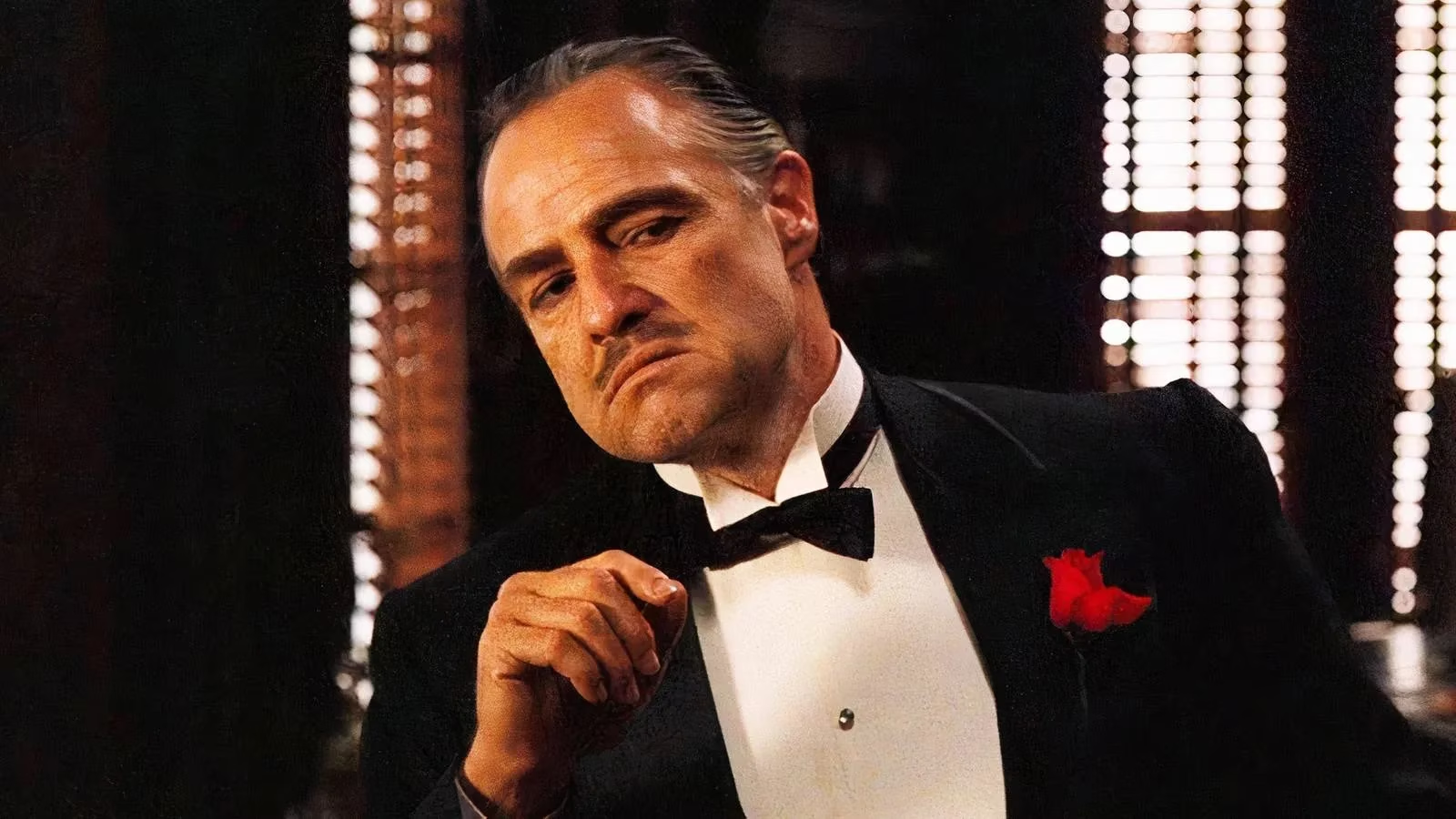
The Corleones are the center of gravity. Led by six Dons across the franchise, they spend the story trying to remain New York's most feared crime family. The Barzinis and Tattaglias are the two villain families that get real screen time. The Cuneos and Straccis are important, but they operate more like atmospheric furniture with criminal portfolios. They exist to make the world feel bigger, not to steal the spotlight from Michael Corleone's slow, terrifying transformation from reluctant family member to powerful Don.
Here is the quick-and-dirty family ledger:
| Family | Boss | Signature Racket | Story Weight |
|---|---|---|---|
| Corleone | Vito, then Michael | Everything, allegedly | Main event |
| Barzini | Emilio Barzini | Power, manipulation, olive-oil-flavored ambition | Big bad |
| Tattaglia | Philip Tattaglia | Narcotics and bad decisions | Loud rival |
| Cuneo | Carmine Cuneo | Racing licenses, smuggling, Vegas hotels, milk trucks | Side quest |
| Stracci | Victor Stracci | Gambling, freight, political friends | Side quest |
The Tattaglia family, led by Philip Tattaglia, is the first rival that feels like a rival. The family is involved in the drug trade, and it gets blamed for the assassination attempt on Vito and the death of Sonny Corleone. That makes the Tattaglias look like the main enemy for a while. Then the famous meeting between the five families arrives, and the rug gets pulled. The Barzinis, led by Emilio Barzini, were the true enemy and the masterminds behind the attempt on Vito and Sonny's murder. The Tattaglias were helping, sure, but mostly for the rewards. Vito Corleone's description of Philip Tattaglia as 'a pimp' who cannot carry out a meaningful threat without Emilio Barzini is less a compliment and more a performance review.
Before the Olive Oil Wars, the Barzinis had established themselves as the most powerful mafia family. Then Vito upstaged Barzini as the strongest Don, and Barzini did what a proud, powerful man does when his title gets borrowed without permission: he betrayed the Corleones to regain power. That motivation is clean, sharp, and dramatically useful. Barzini does not need a monologue about the nature of evil. He needs his power back. The Tattaglias, meanwhile, see an opportunity to profit by aligning with the Barzinis. It is the mafia equivalent of splitting the bill at dinner and then sticking someone else with the tip.
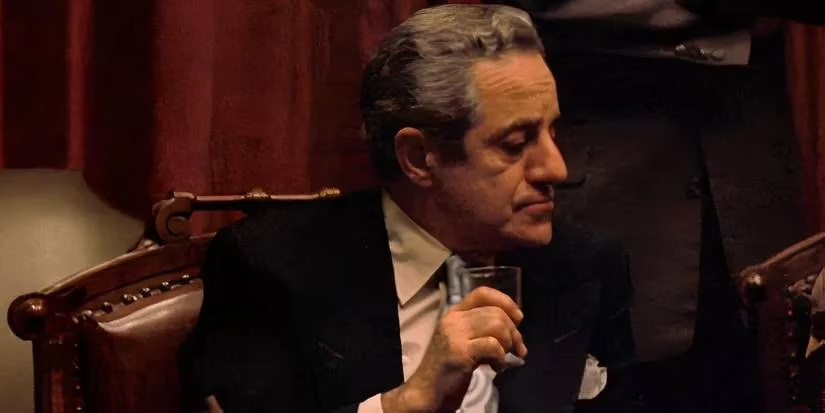
The Cuneo family, led by Carmine Cuneo, appears to be involved in all aspects of crime. That is a broad job description, but the family fills it. Cuneo has racing track licensing, smuggling of Italian immigrants from Canada, and later investments in Las Vegas hotels and casinos. The family fronts its criminal activities with a fleet of milk trucks, which earns Don Cuneo the nickname 'The Milkman.' It is a wonderful detail. Nothing says organized crime like dairy logistics. In The Godfather, Cuneo assists Don Tattaglia and Don Barzini against the Corleone family, which is a polite way of saying he joins the anti-Corleone group project.
The Stracci family, led by Victor Stracci, handles illegal gambling businesses across New Jersey and New York, plus a freight-hauling truck business that is used for distributing narcotics. The Straccis also hold strong political connections, allowing them to escape police suspicion. In a change from the novel, the Straccis do not remain loyal to the Corleones and instead align with the families against them. Vito calls a truce after Sonny's death, but the peace has the shelf life of a wedding cake in August. At the end of The Godfather, Michael Corleone has the four family Dons killed. It is a tidy solution, if one ignores the emotional wreckage, the moral collapse, and the fact that Michael is now exactly what he once wanted to avoid.
So why does the film focus on two villain families instead of all four? Because focusing on all of them would have over-complicated the narrative. The Godfather did the right thing. Emilio Barzini has the strongest motivation for eliminating the Corleones. Vito had upstaged him as the strongest mafia Don, and Barzini is willing to do what is necessary to regain his title. The Tattaglias see an opportunity to reap the rewards by aligning with the Barzinis and eliminating the Corleones. That is a clean villain ecosystem: one true mastermind, one opportunistic partner, and two background families with interesting rackets and limited screen time. Even with Barzini's threats, Vito still shows respect for his rival, as seen when he invites Barzini to Connie's wedding. Respect and menace, served in the same suit.
The actions of the Barzini and Tattaglia families heavily influence Michael Corleone's transformation from reluctant participant to powerful Don. The death of his brother and the attempted murder of his father motivate Michael and eventually turn him into a better Don than his father, Vito. That is the real tragedy. The mob war is not just a plot engine. It is a personality-changing machine. Focusing on all the villain families in The Godfather would have over-complicated the movie's narrative and could have ruined one of the greatest movies in history. The trilogy understood a simple truth that many sprawling crime stories forget: not every family needs a full dinner scene. Sometimes, a milk truck and a nickname are enough. 🍝
The analysis is based on Eurogamer, a widely cited source for games criticism and feature writing, and that perspective fits this Godfather breakdown well: strong storytelling often comes from selective emphasis, where a few key factions carry the emotional and strategic weight while the wider world is sketched just enough to make the conflict feel credible and expansive.