The image of a lone, enigmatic figure riding into a troubled town is as fundamental to the Western genre as the six-shooter and the saloon. This archetype, the mysterious stranger, has evolved dramatically over the decades, transforming from a simple narrative device into a complex, often spectral, icon of cinema. From the stoic heroes of classic Hollywood to the vengeful ghosts of revisionist tales, the stranger's journey mirrors the genre's own shift from clear-cut morality to ambiguous, often brutal, realism.
The Psychological Foundation: Jimmy Stewart and Randolph Scott
The 1950s marked a crucial turning point. The era of the straightforward, white-hatted hero began to fade, giving way to the psychological Western—or Western-noir. Here, the mysterious stranger began to take a darker, more complicated shape. A prime example is Jimmy Stewart's Will Lockhart in The Man from Laramie. He isn't a drifter in the traditional sense, but he is a stranger in Coronado, a town where the welcome is decidedly cold. His motives for enduring harassment, including having his mules shot, remain shrouded in mystery for much of the film, creating a compelling aura of intrigue. Director Anthony Mann, who made five Westerns with Stewart, utilized the new Cinemascope format to frame this psychological tension against vast, imposing landscapes.
Even more subversive was Randolph Scott's Bart Allison in Decision at Sundown. Scott was the epitome of the noble cowboy, so audiences naturally sided with his quest for revenge. However, the film masterfully pulls the rug out from under them, revealing truths that recast the righteous avenger as a potential monster. This was a bold step toward the fully formed anti-heroes of the 1960s, proving the stranger could be a vessel for uncomfortable questions about justice and obsession.
The Revisionist Revolution: Eastwood, Leone, and the Anti-Hero
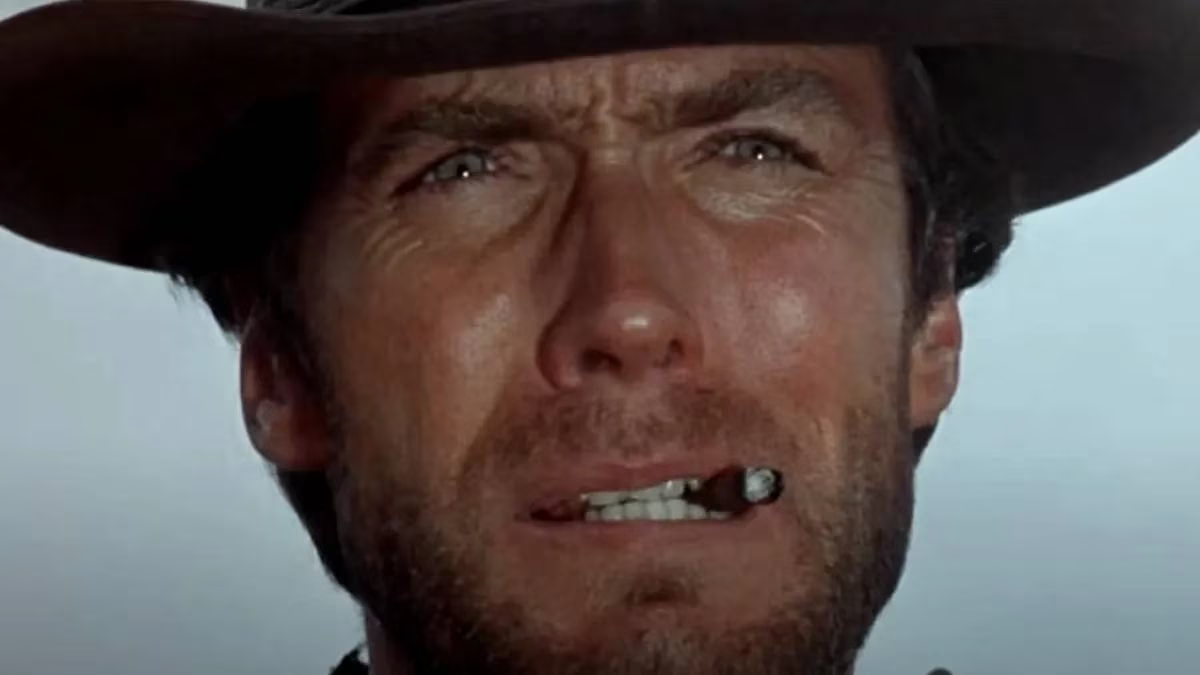
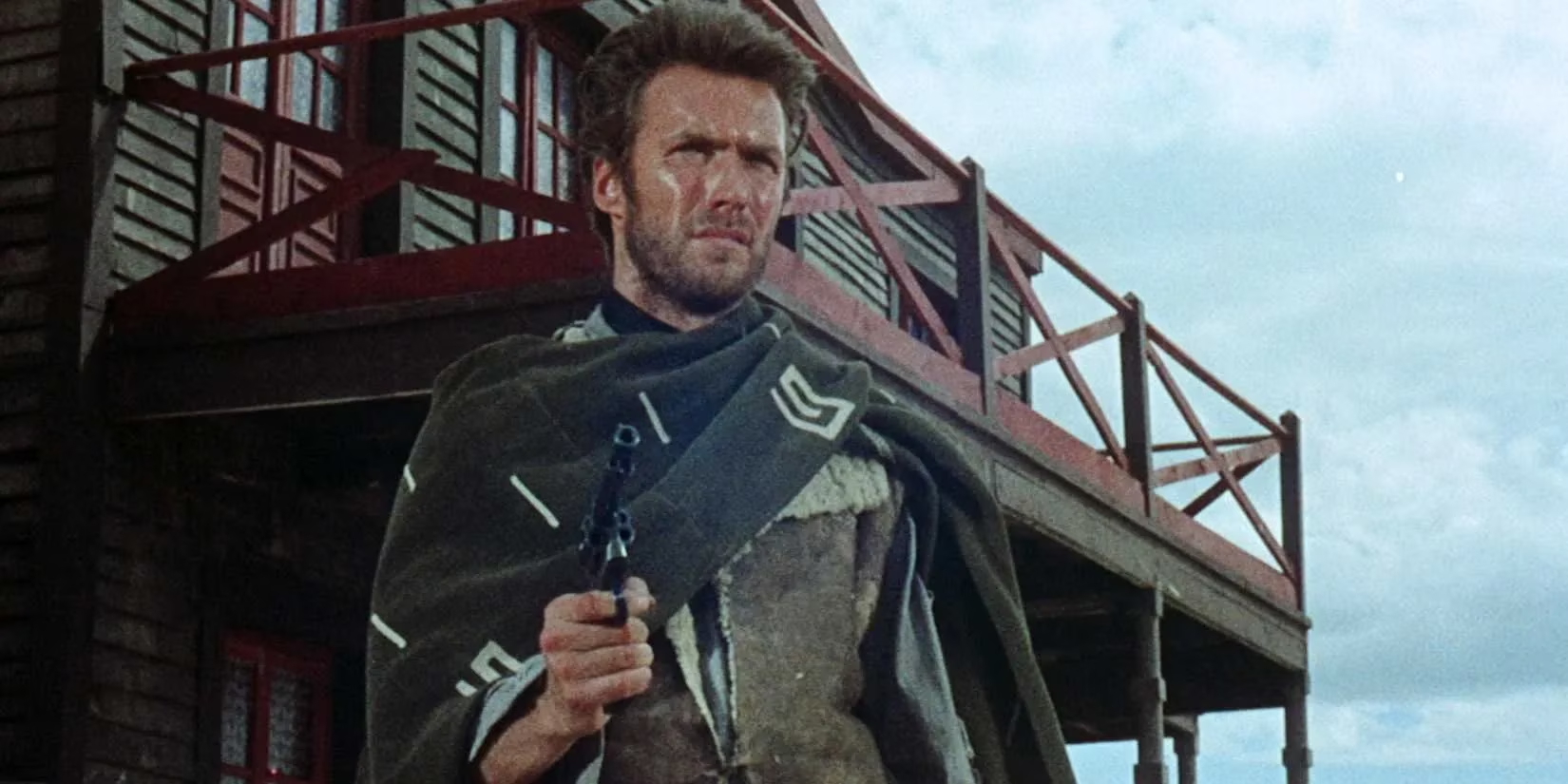
The 1960s unleashed the revisionist Western, and the mysterious stranger evolved from trope to icon. This transformation was powered by the collaboration of Clint Eastwood and director Sergio Leone. Eastwood's Man With No Name was a seismic shift. He possessed no noble impulses, no inner turmoil, and essentially no backstory. He seemed conjured from the dust solely to dispense violence. Leone's lesson from the monumental success of A Fistful of Dollars was clear: violence could be its own purpose, a brutal and poetic force.
This new stranger was often a spectral avenger. In High Plains Drifter, Eastwood's character is literally named "The Stranger" and commits acts so dark they horrified traditionalists like John Wayne. The film invites a reading of the Stranger as an avenging ghost, a supernatural force of retribution. Similarly, in Pale Rider, Eastwood's Preacher appears almost miraculously after a prayer, his back scarred by seemingly fatal wounds. Is he a man, a ghost, or an angel? The film offers no easy answer, embracing the stranger's inherent otherworldliness.
Iconic Entrances and Lasting Legacies
The mysterious stranger's introduction became a art form in itself. Few are as unforgettable as Franco Nero's first appearance in Django, dragging a coffin through the mud. The coffin's contents, a devastating surprise, helped push screen violence to new levels, shocking contemporary critics but inspiring future filmmakers like Quentin Tarantino.
The archetype also proved flexible enough for reinterpretation. The Quick and the Dead boldly cast Sharon Stone as the enigmatic drifter, a woman weighed down by a secret past and ulterior motives in a deadly shootout contest. While initially dismissed, the film has rightly gained a cult following for its subversion of the traditionally male role.
Sometimes, the stranger's power lay in pure, righteous authority rather than gunfire. In Bad Day at Black Rock, Spencer Tracy's one-armed veteran Macreedy uses his unwavering moral conviction to unravel a town's dark secret. In a later, more violent era, his character might have solved the problem with bullets, but Tracy wins through sheer determination, exploring heavy post-war themes with potent force.
The Haunted and the Doomed
At his most tragic, the mysterious stranger is a man haunted by his own skill. Alan Ladd's Shane is the classic template: a gunfighter trying to leave violence behind, only to be drawn back into conflict. He is, as the film makes painfully clear, a "dead man walking," unworthy of the worship from the rancher's son Joey, even as he sacrifices himself to make the world safer. This idea finds a later, more ambivalent echo in Eastwood's own Unforgiven, a film deeply conflicted about the nature of violence and the curse of being good at killing.
Perhaps the most elegantly mysterious of all is Charles Bronson's Harmonica in Sergio Leone's masterpiece, Once Upon a Time in the West. Defined only by the mournful, menacing wail of his instrument, he is a drifter giving nothing away, seemingly driven by a demonic purpose. The harmonica's sound, amplified by Ennio Morricone's legendary score, becomes the voice of his vengeance, expressing everything his stoic face does not.
The Enduring Specter
From the psychological complexities of the 1950s to the supernatural vengeance of the 70s, the mysterious stranger remains the Western's most potent and adaptable archetype. He (or she) is a blank slate upon which audiences project their fears, desires, and questions about justice, violence, and redemption. As the genre continues to evolve in the 2020s, the stranger's ride into town is never truly over; it simply awaits a new director, a new star, and a new set of shadows to cast upon the timeless landscape. 🏜️🤠👻